

Pupillage at 12KBW
12KBW is a leading civil set of chambers. We have an outstanding reputation for excellence in personal injury, clinical negligence, costs, employment, industrial disease and international travel claims. We have many other rapidly expanding specialist practice groups related to these core practice areas.
Members of chambers regularly appear in the most significant cases in these practice areas in the High Court, Court of Appeal, Supreme Court and Court of Justice of the European Union.
Chambers has been ranked Band 1 for Personal Injury by the legal directories over the past 14 years. We are six-time winners of Personal Injury Set of the Year, confirming our pre-eminence in this area of law.
Pupils at 12KBW will experience a broad range of work across personal injury, insurance, inquests, clinical negligence, international and travel, industrial disease and employment during their first six months in pupillage.
You will work on complex and high-level cases from the outset. In your second six months in pupillage, you can expect to have your own clients and attend court multiple times per week. In the links below, three recent tenants discuss their experiences of pupillage at 12KBW.
Chambers is an Authorised Education & Training Organisation authorised by the BSB.
Privacy Notice for Pupillage and Tenancy Applications
Pupillage Award
We offer an award of £75,000 to each pupil for the 2026/2027 intake of pupillage. This is made up of:
- A grant of £45,000 in the first six months (of which £12,500 may be drawn down for the Bar Professional Training Course); and
- £30,000 guaranteed earnings during the second six months.
Alexander Cornelius

A typical day in the first six
I start the day by reading through the papers for a conference my supervisor has later that morning. The conference is with the instructing solicitor and the defendant insurer to discuss tactics in a personal injury claim with significant concerns about the credibility of the claimant. As is often the case, there are hundreds of pages available to read with numerous witness statements and expert reports. However, guided by my supervisor, I am able to read the key documents, to understand what the central issues in the case are. I then have a quick discussion with my supervisor to compare thoughts on the strength of the evidence presented by the claimant. During the conference, I balance taking a note of what is said and thinking about the points raised. Afterwards, I have a discussion with my supervisor about the implications for the litigation strategy going forward.
In the afternoon, I start working on a draft counter-schedule of loss for my supervisor. I begin by carefully reading the claimant’s medical evidence to understand the case they are presenting. I make a start on reading the defendant’s evidence but will need to finish reading it tomorrow as there is a lot to absorb. Whilst I am making notes on where I got to, I read an email from a junior member of chambers sending me the trial bundle for a morning hearing tomorrow in Clerkenwell & Shoreditch County Court. It is a credit hire small claim that I am going to observe so I spend a bit of time working out what the issues are and what each side is saying about them. This is typical of the work you will be doing in second six and chambers is keen to get you out at court with the juniors at least once a week. It is a fantastic learning experience as it means that you start the second six with an idea of what to expect.
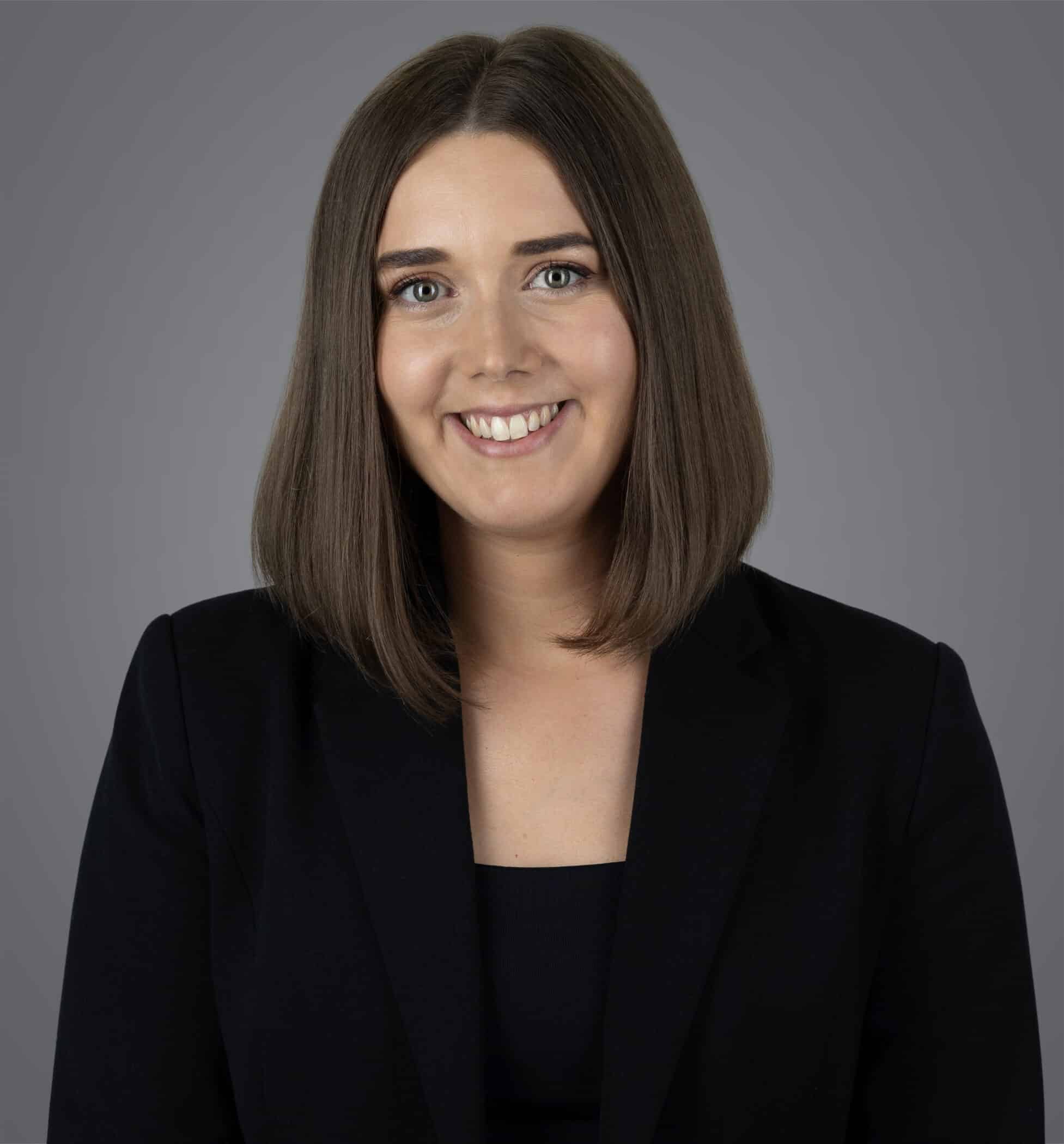
Lara Thomas
The second six at 12KBW
The second six months of pupillage bring the opportunity to have your own caseload and represent your own clients in court. I had a mix of small claims track trials, Stage 3 hearings and application hearings. I also had the chance to do some fast track trials towards the end of second six which are more valuable and complex than small claims. Pupils at 12KBW are typically in court around three times a week. This keeps you busy but still allows for plenty of time to prepare alongside any other work.
Although the idea of starting on my feet was nerve-wracking, 12KBW was very supportive and lots of measures were put in place to help me and my co-pupils:
- In the months leading up to second six, I typically shadowed a junior member of chambers at a local county court once or twice a week. This gave me an understanding of the work I would be doing myself, including client conferences and witness handling.
- In March we had a mock trial with co-pupils as opponents and junior tenants as witnesses. The useful feedback I received meant I felt more confident going into the second six.
- Informal training sessions with last year’s pupils also took place towards the end of the first six. These involved going through common legal issues and a chance to try some mini advocacy exercises based on typical scenarios we might expect at court.
- Before and during the second six, we were encouraged to and did reach out to junior members of chambers with questions about our own cases. This meant that there was always someone I could ask about any last-minute questions I had before court. This was in addition to my pupil supervisors being on hand to help guide my preparation.
Alongside my own court work I still had time to shadow and do work for my supervisor and others in chambers, including devilling. The variety helped me to work out what I wanted to specialise in in tenancy whilst putting my advocacy into practice.
